By Professor Sassan Zabeti
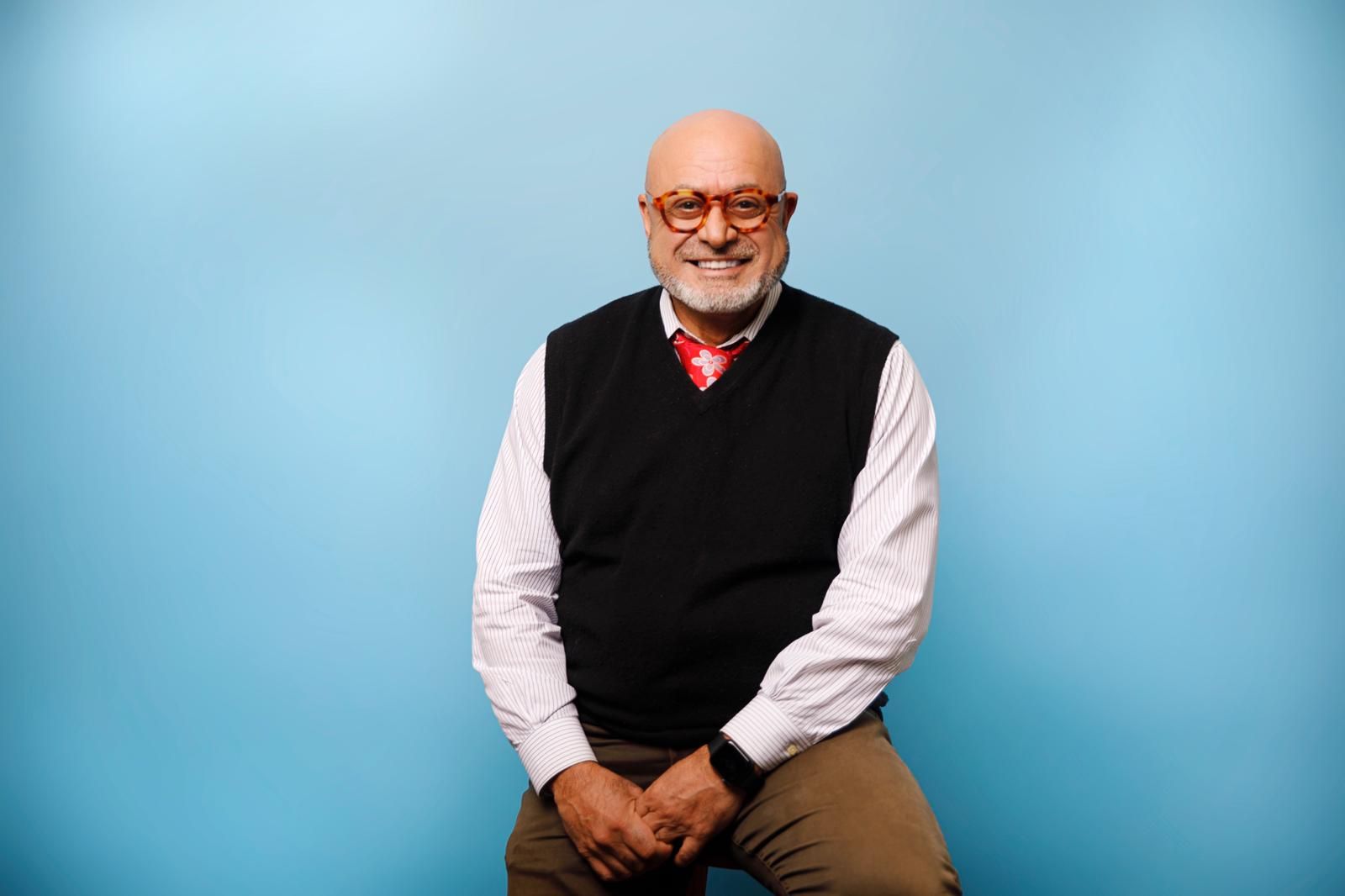
Education, at its highest calling, is not merely the transfer of information but the transformation of minds. My mission as an educator is to cultivate independent thinkers—individuals who can bridge theory with real-world application, who approach challenges with curiosity, and who act with confidence in both their professional and personal lives.
I believe the ultimate measure of teaching is not in how much information a student retains for an exam, but in how prepared they are to think critically, solve problems, and adapt in a rapidly changing world. This is why my teaching philosophy is grounded in three guiding concepts: Igniting Curiosity Through Empowerment, Bridging Theory and Practice through Case Studies, and Rejecting Memorization in Favor of Critical Thinking.
Igniting Curiosity Through Empowerment
Meaningful learning begins not with answers, but with questions. When a student’s curiosity is awakened, they naturally seek deeper understanding. My role is to create an environment where exploration is encouraged, ideas are tested, and students feel empowered to engage fully with the subject matter.
Empowerment means equipping students with the confidence to take intellectual risks. When learners feel capable, they move beyond passive consumption of information and become active participants in their education. This process builds resilience and encourages them to confront complexity rather than avoid it.
In my classes, students are not passive note-takers; they are collaborators in a shared journey of discovery. By placing them at the center of the learning process, I enable them to develop ownership over their growth.
Case Studies: Bridging Theory and Practice
One of the most effective ways to prepare students for the real world is to immerse them in it. Case studies allow us to step out of the abstract and into tangible, complex scenarios where decisions have consequences.
In my teaching, I employ the Harvard Business School case study format—not as an academic exercise, but as a simulation of real decision-making. By analyzing actual events and business challenges, students learn to identify patterns, weigh evidence, and apply theoretical frameworks in dynamic contexts.
This method develops practical analytical skills while deepening comprehension of theoretical principles. Students begin to see that learning is not confined to the classroom; it is a continuous, iterative process that mirrors the demands of the professional world.
Rejecting Memorization and Indoctrination
Memorization may help pass an exam, but it rarely fosters deep understanding or long-term skill. In an age where facts are available at our fingertips, the value of education lies not in rote recall, but in the ability to think critically and evaluate multiple perspectives.
I actively discourage indoctrination—whether in ideology, industry norms, or unchallenged assumptions. Instead, I encourage students to question, to probe, and to test ideas against evidence and logic. The Socratic Method, which I often employ, allows me to challenge students’ reasoning while helping them clarify and strengthen their arguments.
This approach develops intellectual humility, adaptability, and the courage to change one’s position when warranted. My aim is not to produce students who know the “right” answer, but thinkers who know how to arrive at the best possible answer for the situation at hand.
The Enduring Goal: Lifelong Learning
My ultimate ambition as an educator is to prepare students for a lifetime of learning and adaptability. In combining empowerment, applied learning, and critical analysis, I strive to graduate not only knowledgeable individuals, but thoughtful, resourceful, and resilient human beings.
I want my students to leave the classroom with more than a set of academic skills. I want them to possess the curiosity to keep asking questions, the confidence to navigate uncertainty, and the wisdom to apply their knowledge for the betterment of themselves and their communities.
“The true success of education is not measured by the number of answers a student memorizes, but by the depth and integrity of the questions they dare to ask.” – Professor Sassan Zabeti
