By Sassan Zabeti
In today’s world, we are surrounded by health trends and supplement industries promising miracles: ketos, collagen, vitamins, powders, pills. The message is simple: you need these products to be healthy, build muscle, or stay young. But let’s pause and ask—do we really?
The Vitamin Question
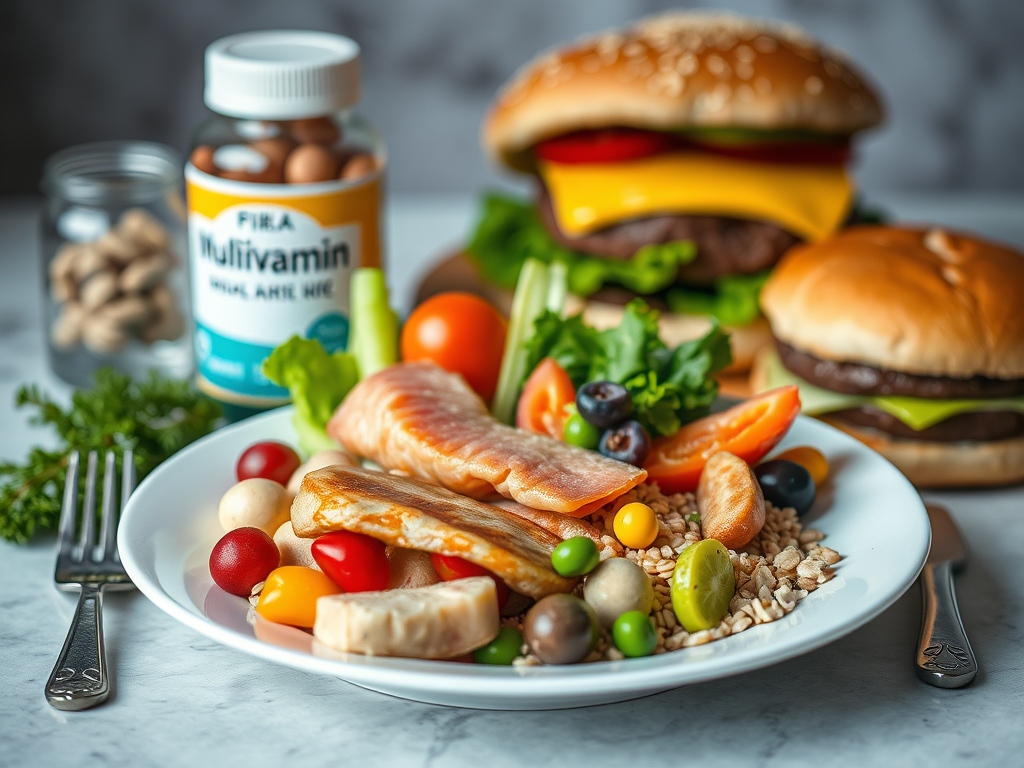
Vitamins are indeed essential for the body. However, we live in a society where true vitamin deficiency is rare. The industry has convinced people that they cannot live well without bottles of supplements. In reality, if you are eating a balanced diet, your body is already receiving most of what it needs.
Of course, taking a multivitamin here and there is not harmful. But to believe that supplements alone are the key to health and strength is misleading.
Collagen: The Marketing Illusion
Collagen has become a buzzword. Advertisements claim it will make you younger, stronger, and glowing with vitality. But here’s the truth: collagen is nothing more than a protein.
When you eat protein—whether from collagen, steak, or even amino acid shots—your body breaks it down into the same building blocks: amino acids. These amino acids then go where your body needs them, whether that’s repairing muscle, maintaining tissue, or supporting recovery.
So eating collagen will not directly make you younger. It will not bypass digestion to magically improve your skin. At the end of the day, it is just protein—processed like any other.
Fast Food and Deficiency
A common argument is that people in America do suffer deficiencies because of poor diets—too much fast food, too many sodas, not enough whole foods. And it’s true: soda has no vitamins. But even in a simple hamburger, you will find nutrients.
Think about it: a hamburger is made of meat, bread, lettuce, tomato. These ingredients contain protein, vitamins, and minerals. The problem is not that these foods are completely void of nutrition, but that people consume them excessively and without balance.
The McDonald’s Myth
You may have seen viral videos claiming that a McDonald’s cheeseburger left outside for weeks never decomposes. The idea is that preservatives make it immortal. But that’s not the whole story. All food eventually molds and decays under the right conditions. A dry bun or thin patty may simply dehydrate instead of rotting quickly.
This does not make McDonald’s food healthy—it just means we should be careful with sensational claims that oversimplify science.
Balance Is the Answer
The real issue is polarization. Some people demonize all processed food, while others consume it daily without a second thought. The truth lies in between.
- Don’t eat a burger every day.
- Don’t rely on supplements to replace food.
- Don’t believe every viral video or marketing campaign.
Instead, focus on balance. Eat a diet rich in whole foods, proteins, vegetables, and grains. Treat fast food as an occasional indulgence, not a staple. And remember: no single pill, powder, or packet of collagen will ever replace the power of a well-rounded meal.

Leave a comment